We’re delighted to share three major milestones for the Freedom Fountain Memorial Project — and one clear next step for everyone who’s been asking how to help: you can now donate to help us build the memorial in Cambridge.
If you’ve followed our updates over the past year — from our first community gathering at Ditchburn Place to the relationships we’ve built through civic and parliamentary conversations — this is the moment the project turns from vision to delivery.
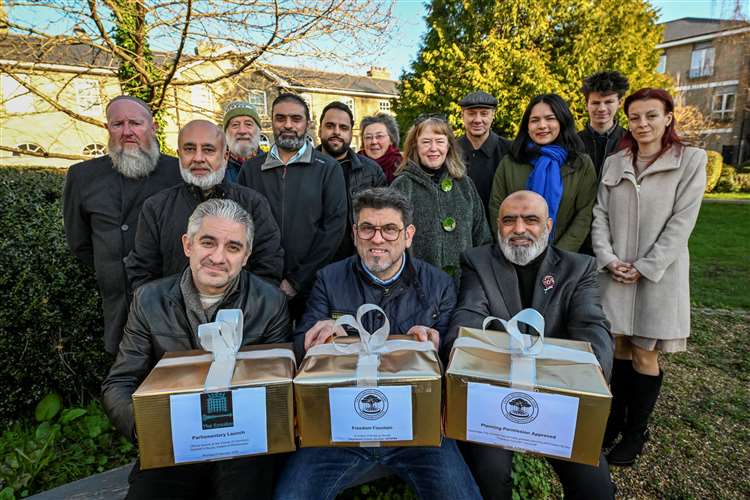
On the 2nd of January 2026, we marked this “before” moment, ahead of transforming the space into a lasting memorial On the photo are the Bridging Worlds charity, with some of the others involved in the project. Picture: Keith Heppell / Cambridge Independent
1) Planning permission is granted — we can build at Ditchburn Place
Cambridge has now granted full planning permission for the Freedom Fountain Memorial to be built at Ditchburn Place (just off Mill Road), beside the Cambridge Gateway from India. That approval confirms the memorial can be delivered in its intended form and location — a huge step forward after months of consultation and detailed design work.
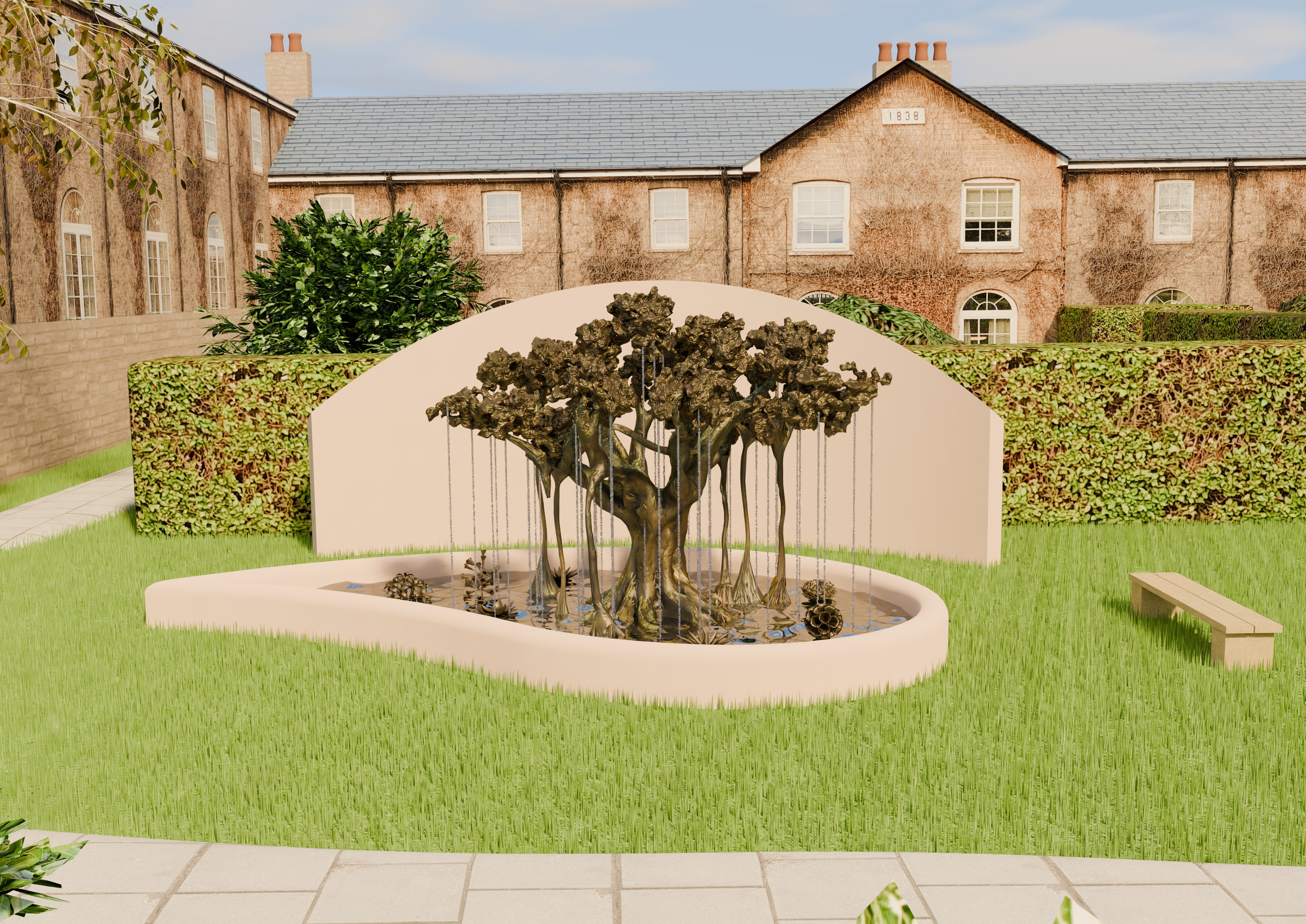
What we’re building (in brief): a working fountain and “living memorial” designed for everyday encounter — a place of reflection, learning, and shared remembrance in one of Cambridge’s most diverse neighbourhoods.
2) Our charity is registered — and donations can now go directly to delivery
We’ve also secured a crucial foundation for the work behind the scenes: the charity supporting the project is now formally registered under UK Charity Number 1215794. This gives the memorial a dedicated governance structure and a robust platform for transparent fundraising and delivery.
Our constitutional objects are clear: to advance arts, culture and heritage through memorials; to advance education in shared history and service; to promote community cohesion; and to embed sustainable development in how the project is designed, built, and stewarded.
3) Westminster reception — bringing the project to a national audience
To match the scale of the story we’re telling, we’re taking Freedom Fountain to Westminster. On 9 February, we will host a reception at Speaker’s House, Westminster, bringing together supporters, community leaders and dignitaries to showcase the project’s purpose and progress — and to widen the circle of people helping us deliver it.
This follows the spirit of our recent public work: building partnerships that keep the memorial apolitical, areligious, and all-encompassing — while honouring service and sacrifice across communities.
In the Cambridge Independent: Our latest milestone has also been covered by the Cambridge Independent.
Call to action: donate now to help build the memorial
With planning permission secured and the charity in place, we are now actively fundraising for construction and installation. The current projected budget range is £100,000–£150,000, depending on final technical and materials decisions.
Please donate via our Support page — and share it with anyone who believes Cambridge should tell this story in public, in permanent form.
Every contribution helps move us from approved plans to a built memorial — in bronze, stone, water and light — that future generations can visit, learn from, and gather around.
The people and partners making this possible — Thank You!
We want to pause and recognise the growing circle of people who have helped bring Freedom Fountain to this point — from early conversations to planning approval, and now into delivery.
Local civic support and encouragement has been vital from the start. Our early discussions in Cambridge — including with former Mayor Baiju Thittala — helped shape the belief that remembrance should live in the city year-round, not only on ceremonial dates.
At Westminster, support is helping us build a national platform for a Cambridge-led memorial. We’re grateful for the backing around the upcoming Speaker’s House reception — including support involving Cambridge MP Daniel Zeichner, other parliamentarians, and the Speaker’s office — as we bring this story to a wider audience and invite more people to stand with the project.
We also want to thank the artists, engineers and institutions contributing expertise to ensure the memorial is both beautiful and built to last:
- Cambridge-based sculptor Colleen McLaughlin Barlow, whose banyan-tree concept sits at the heart of the memorial’s symbolism and design.
- The Dyson Centre for Engineering Design (University of Cambridge) and its team supporting the plumbing/hydraulics and technical development, alongside specialist contributors including Dr Richard Roebuck, Mr Barney Coles, Dr Claire Barlow, Dr Jim Woodhouse, and Professor Allan McRobie.
- Anglia Ruskin University (ARU), through its Live Brief Programme, supporting public engagement and interpretive elements such as signage and narrative installations.
- Bronze Age Foundry (East London), bringing world-class casting craft to the memorial’s bronze elements.
- Our wider design and delivery contributors, including Dean Goodchild (Cantab Design Ltd.), Jon Baxter, and Skyla Wang, supporting architecture, sustainability, maintainability, and visual communication.
We’re equally grateful for community endorsement, including from Dr Atif Aziz and the Cambridge Pakistan Cultural Society, whose words reflect exactly the kind of inclusive civic memory we’re working to create.
And we want to offer special thanks for the public encouragement of Captain (Ret.) Yavar Abbas, whose endorsement has brought historic weight and human emotion to this project.