The Freedom Fountain initiative began with a single, profoundly moving weekend of remembrance in Cambridge, UK on November 2024.
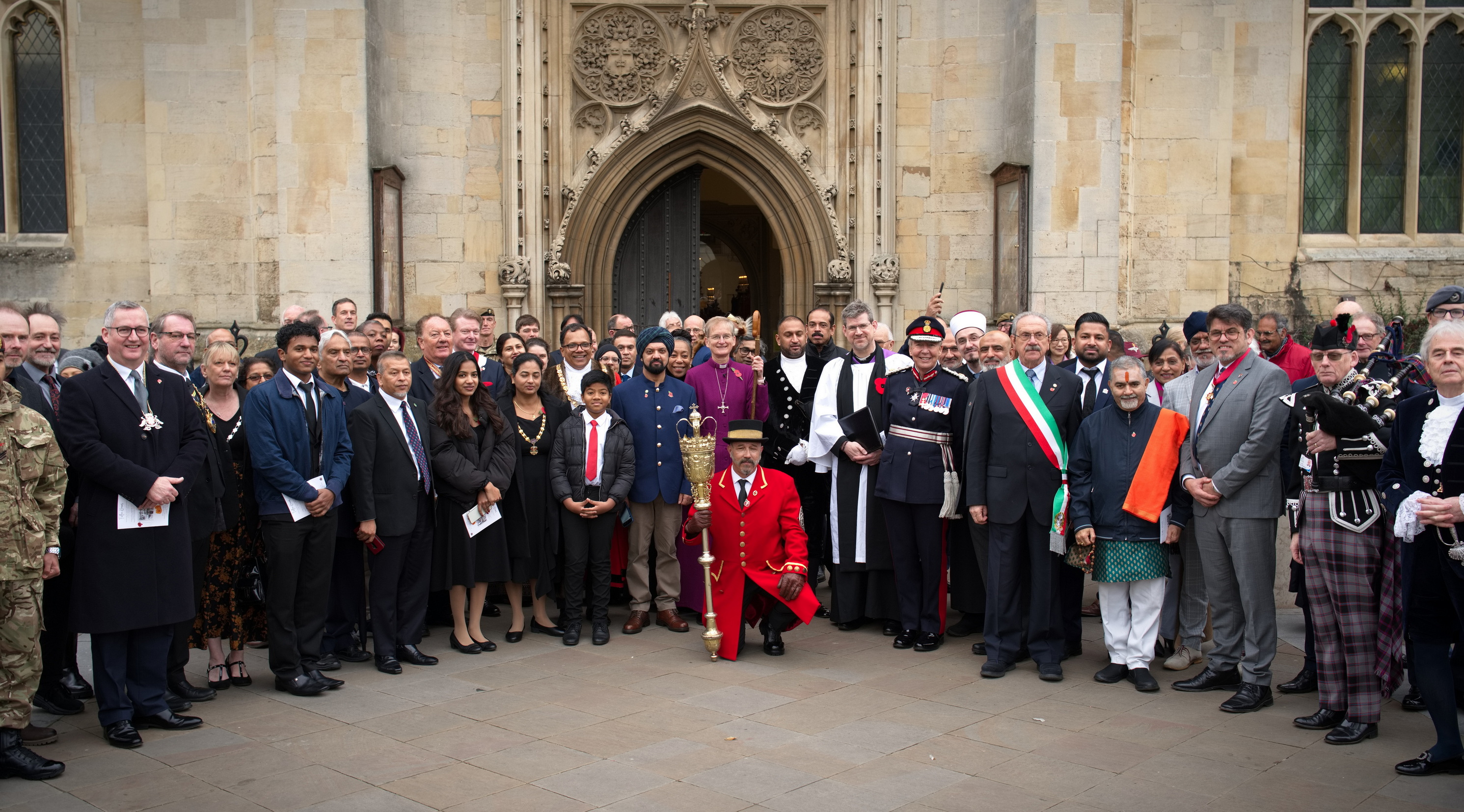
At Great St Mary’s Church and the Guildhall, a multi-faith service and civic commemoration honoured the Indian soldiers who served in the First and Second World Wars — an observance that placed their courage and sacrifice at the centre of the city’s Remembrance season. The breadth of participation, the dignity of ritual, and the clarity of purpose shown by the organisers lit the fuse for what would become our project. On 9 November at the Guildhall, the Mayor of Cambridge welcomed “honoured guests” to reflect on those who “endured unimaginable hardships on foreign soils”, words that framed the weekend with grace and gravity.
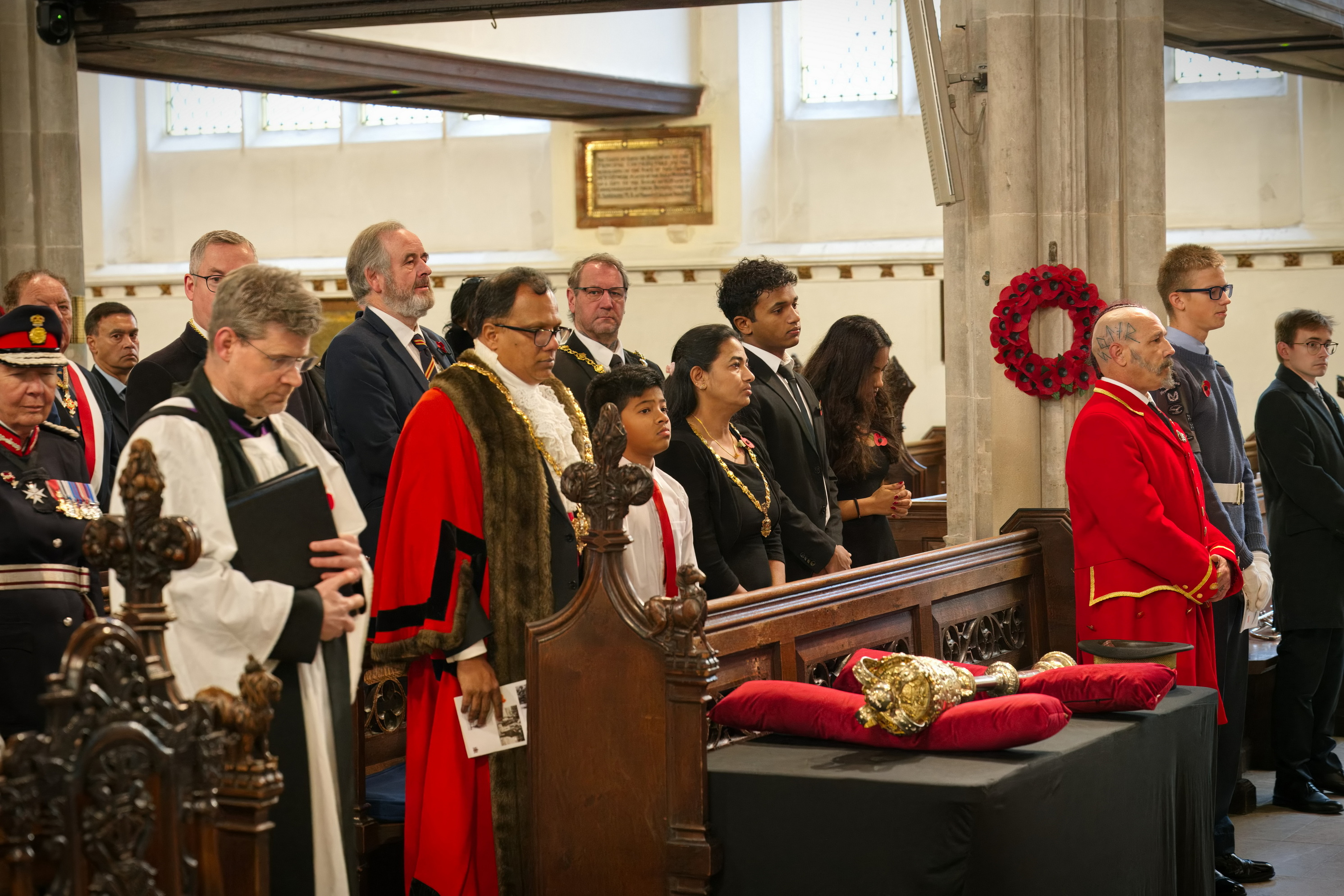
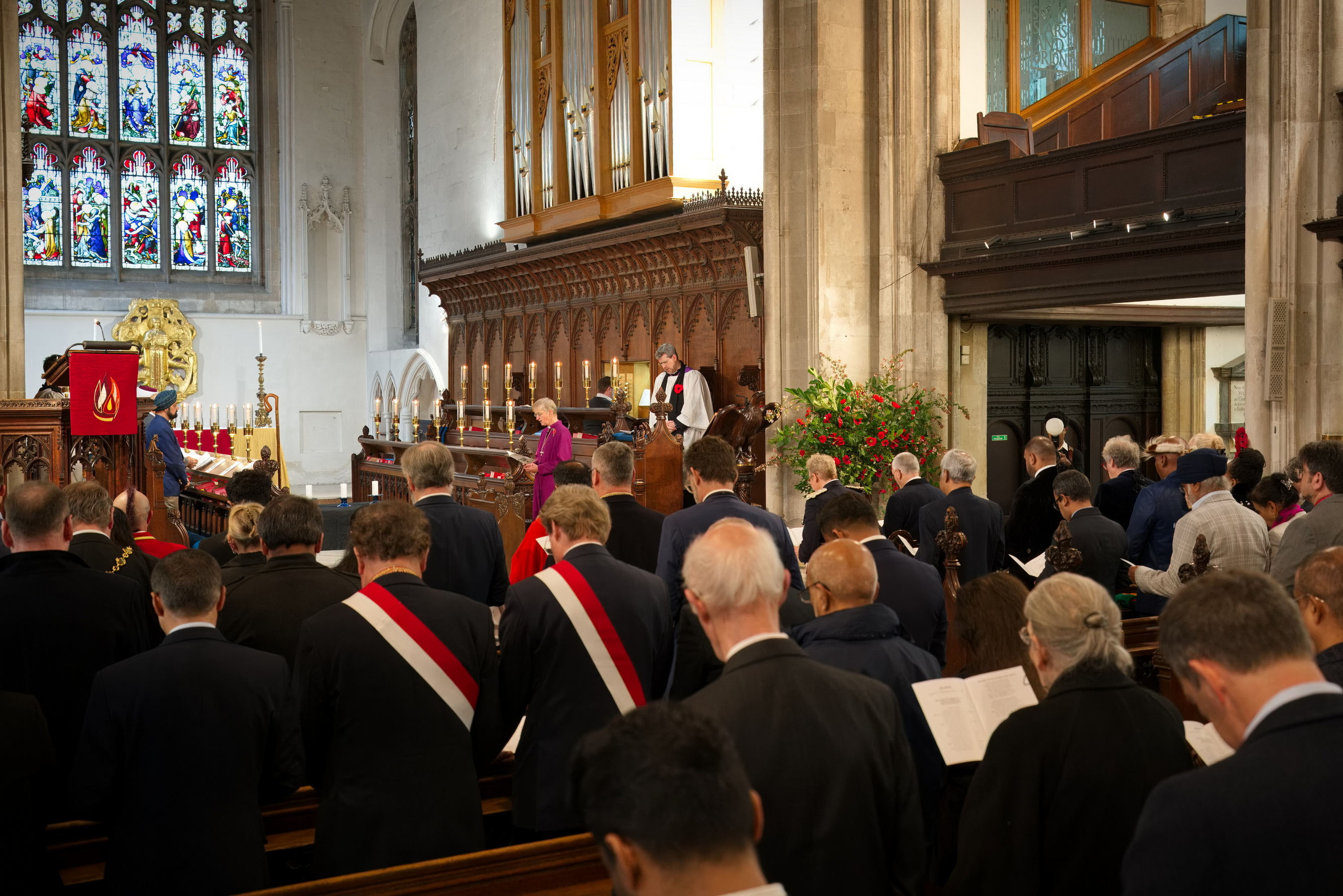
What struck us first was the deliberate inclusivity. The service at Great St Mary’s wove readings, prayers and reflections from different traditions—an echo of the Indian Army’s own diversity.
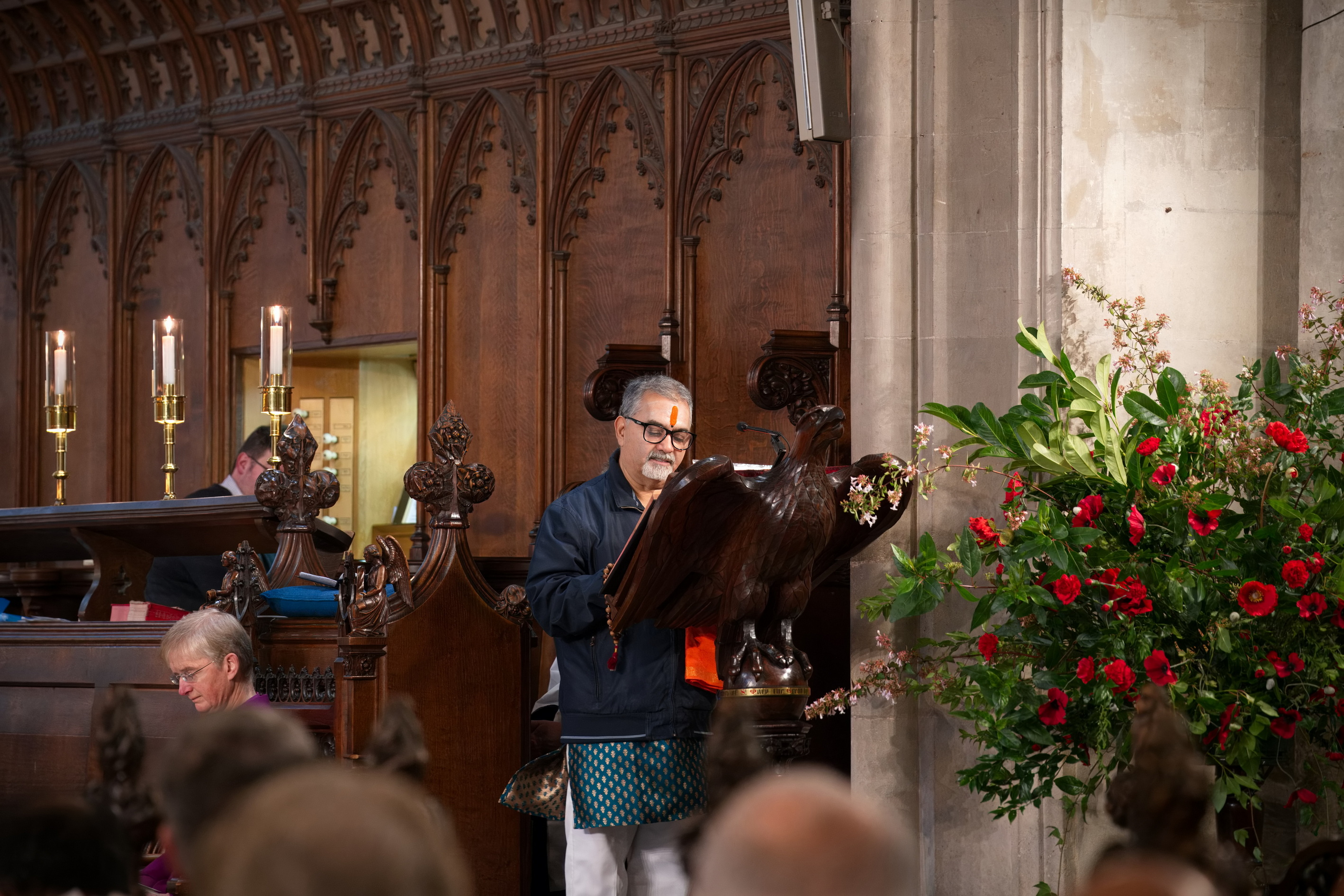
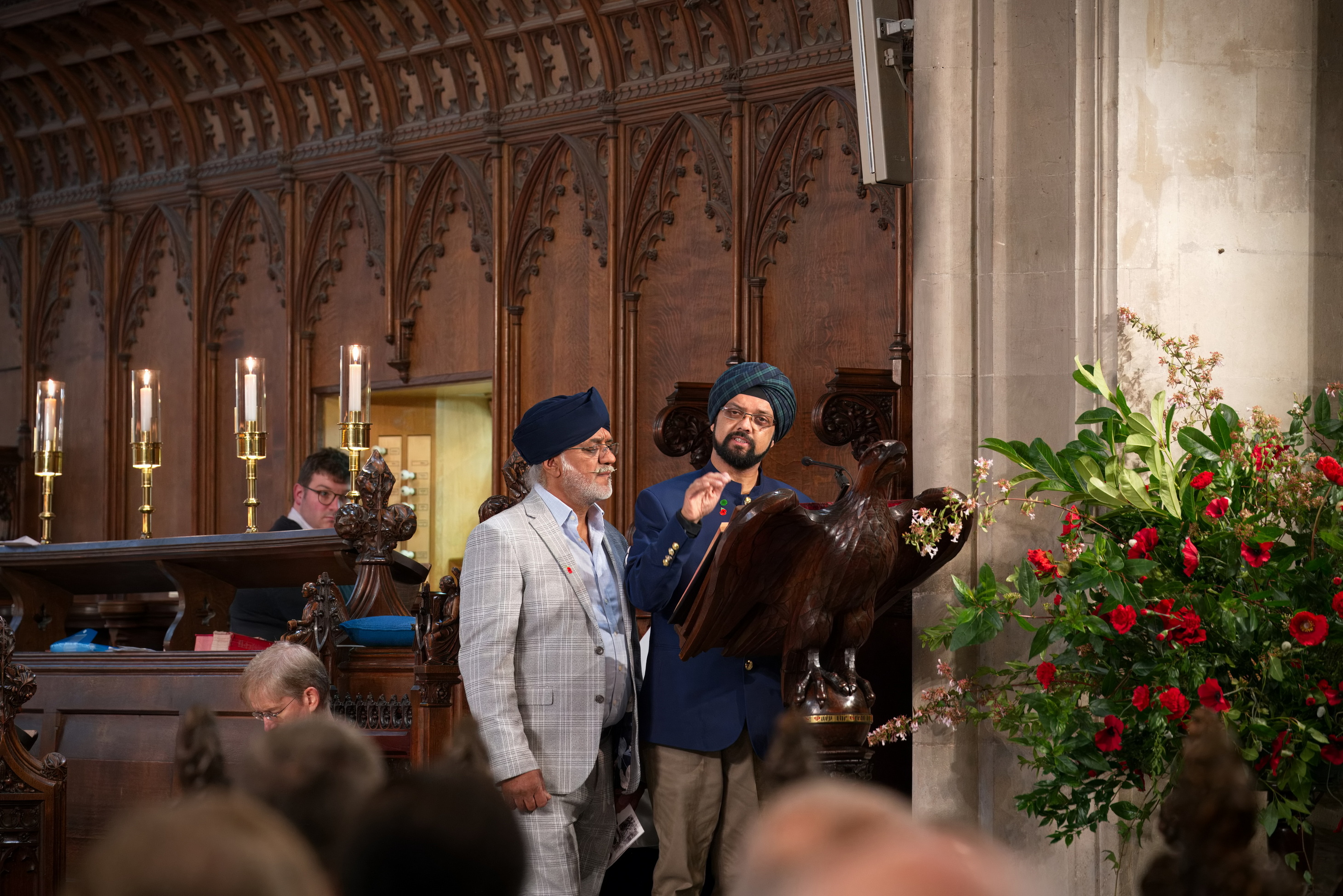
The event then flowed into civic ceremony at the Guildhall. Cambridge City Council, led by Mayor Cllr Baiju Thittala, drew together veterans, cadets, faith leaders and community representatives in a shared act of gratitude. For our future founders, this was a template: remembrance that is public, plural and unifying. The Mayor’s tribute to a force “drawn from various regions, faiths, and languages, unified in their duty” captured precisely the spirit we hoped to carry forward.
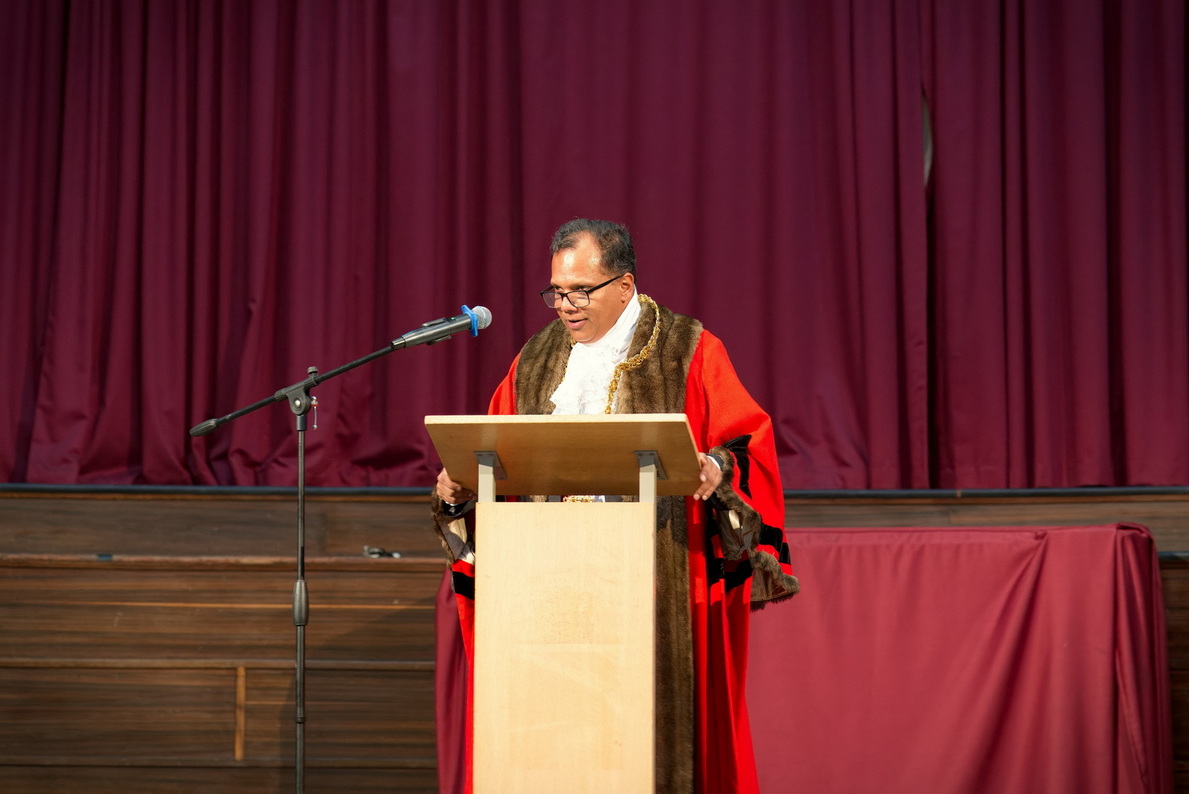
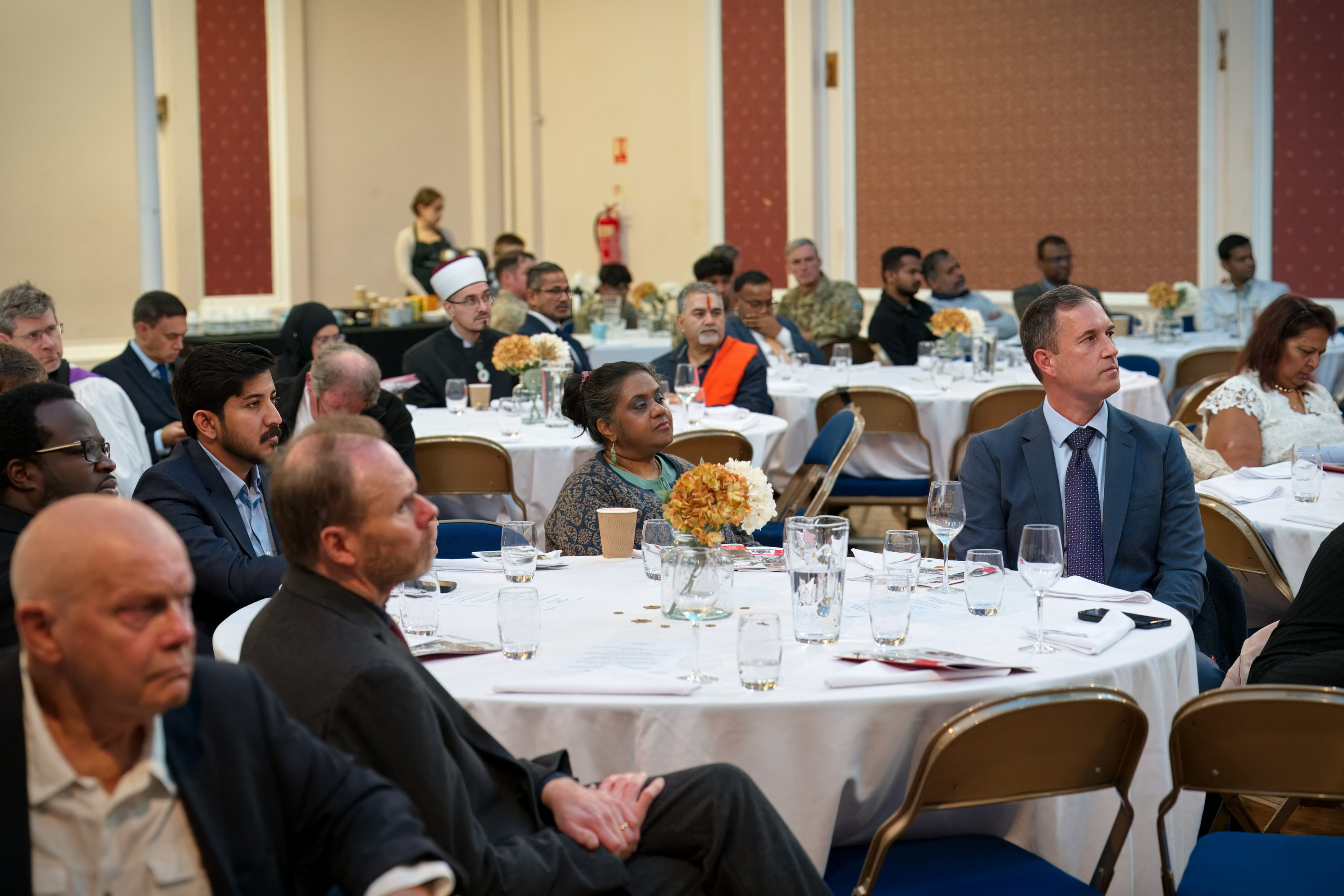
The commemoration also told truths too seldom heard. Speakers highlighted the scale of service — 1.5 million in the First World War and 2.5 million in the Second — and remembered the 87,000 who never returned, alongside the more than 11,000 women who served in the Women’s Auxiliary Corps (India). Brief historical touchstones — the first Indian Victoria Cross in 1914, the bitter campaigns from El Alamein to Monte Cassino and Burma — gave the ceremony both texture and perspective. For us, these details underscored the moral urgency to give these stories a permanent, beautiful home in Britain.
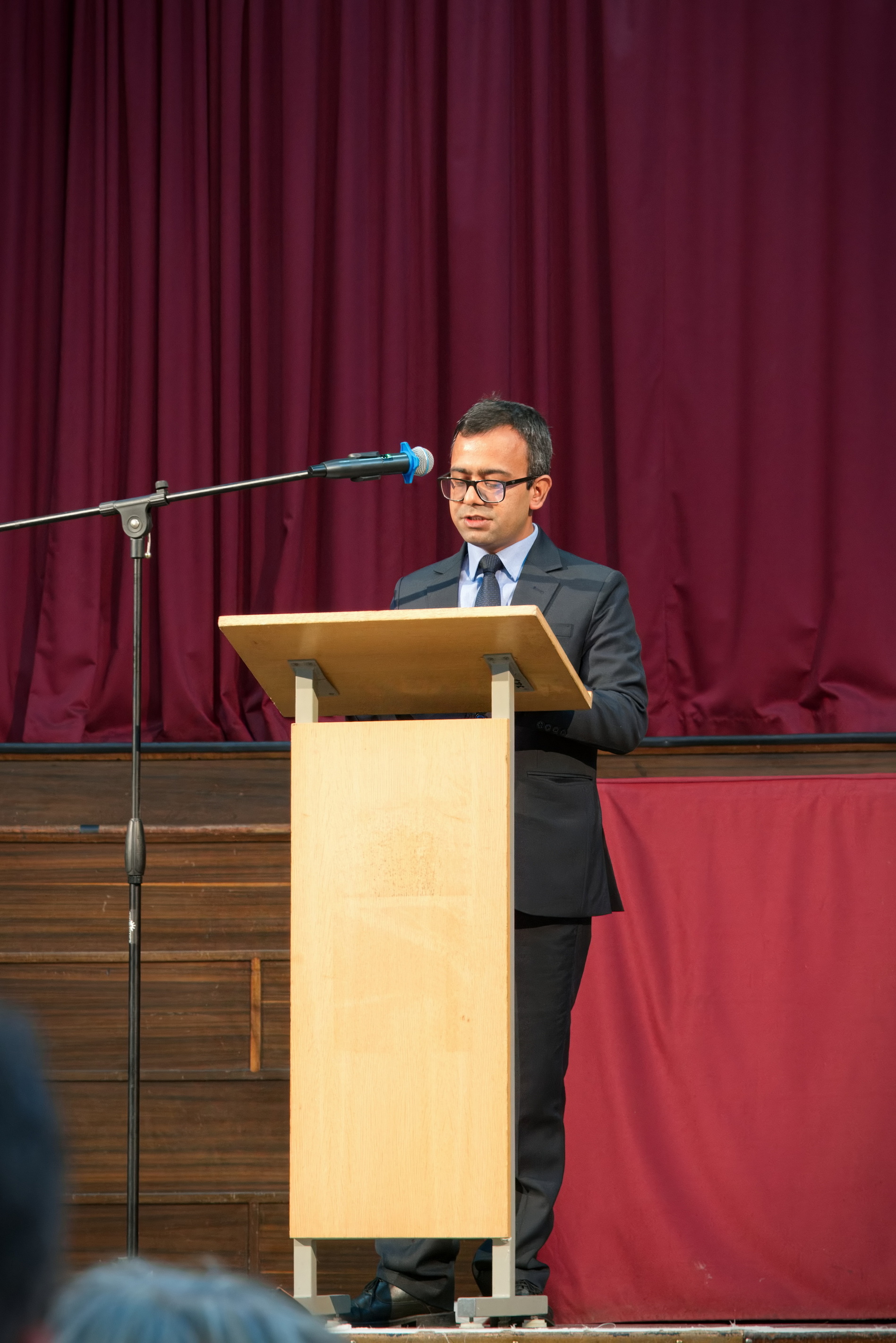
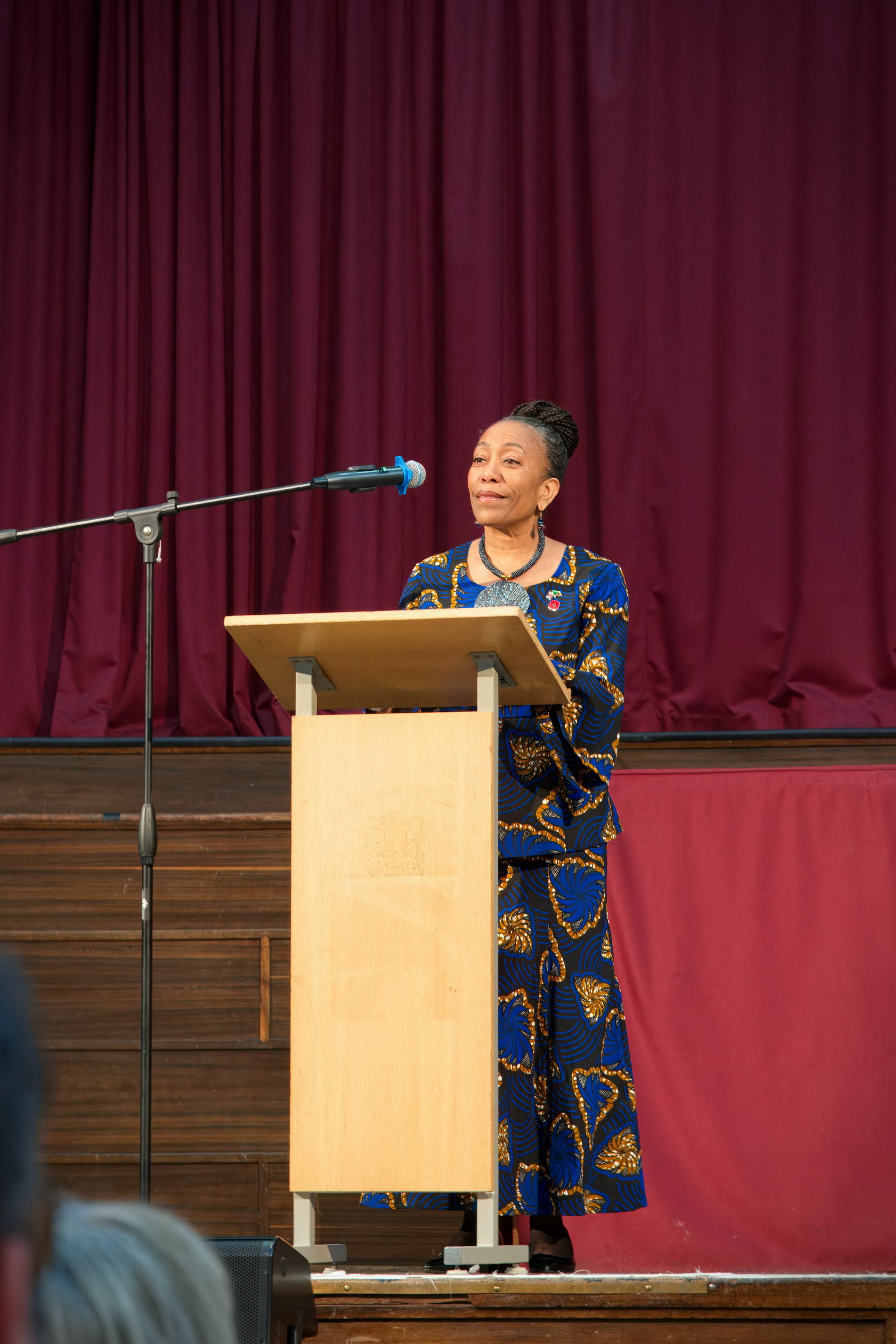
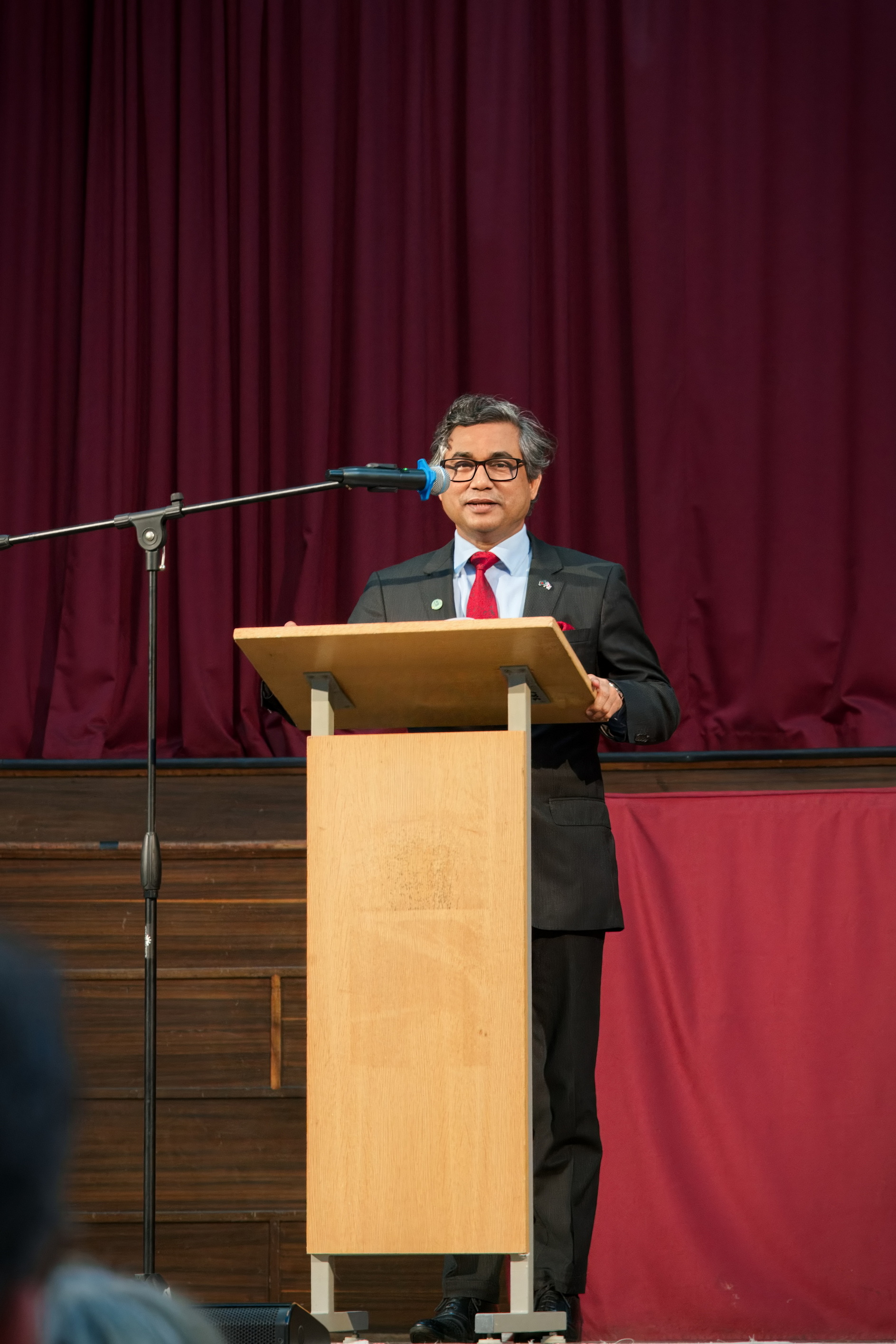
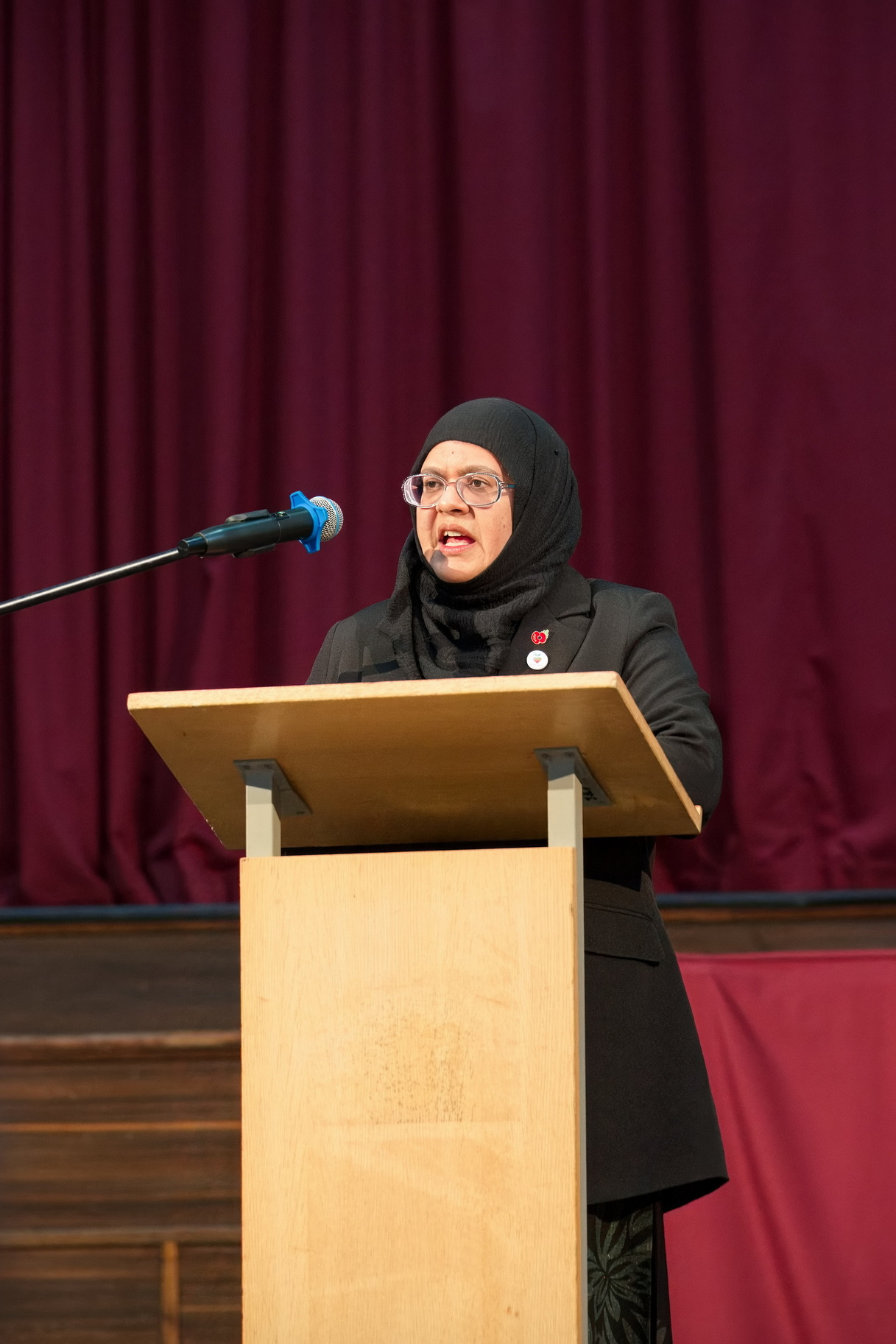
Dignitaries and guests amplified that sense of shared responsibility. Among the voices was a message from Italy that reminded us memory travels across borders: in Italian soil, many Indian soldiers now rest, “a powerful symbol of shared struggle and of the bond that forever ties our histories together”. Sir Pasquale Marchese, the Mayor of Castelluccio Valmaggiore in Italy spoke of friendship with Cambridge “based on mutual respect, shared values, and a commitment to honouring history”, and expressed a hope that a memorial here might be matched in Italy — an idea that felt like a bridge forming in real time.
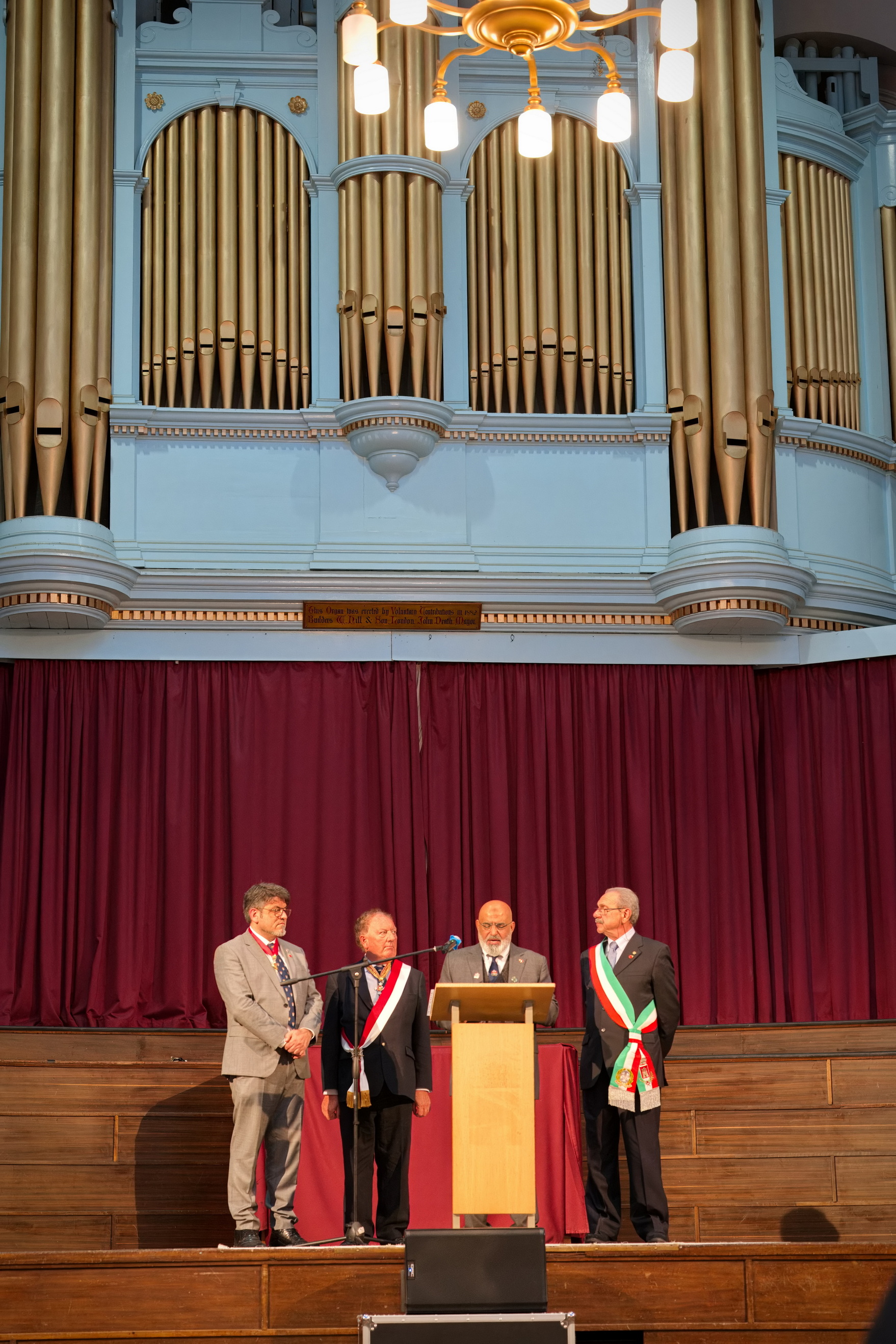
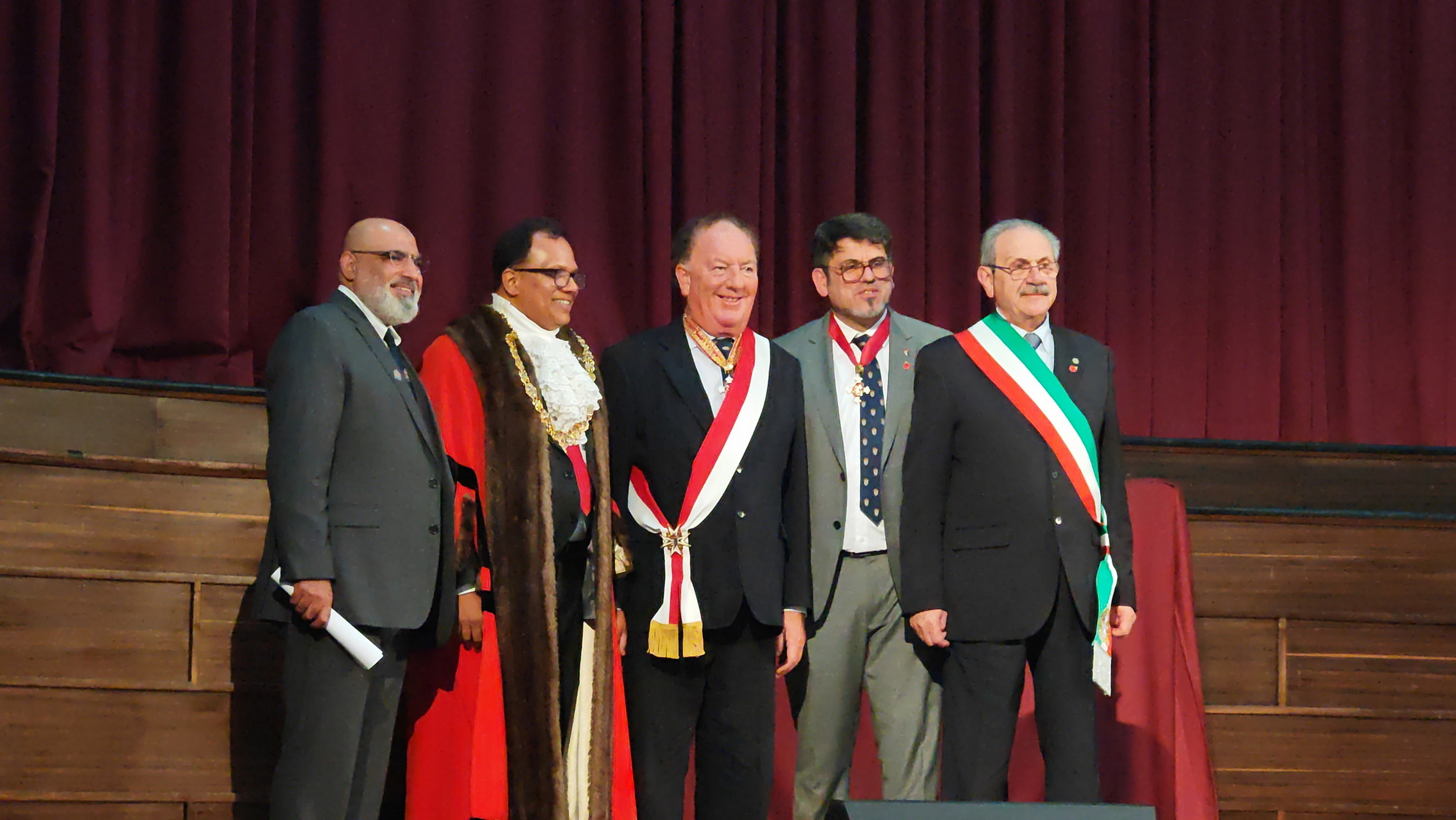
That weekend became our beginning
The Freedom Fountain emerged from the conviction that memory deserves form — that water, stone and light can carry the names, faiths and languages of those who stood shoulder to shoulder for freedom. We set out to create a memorial that is lived-in and welcoming: a civic space where schools can learn, families can reflect, faiths can gather, and Cambridge can honour the service of the United Indian Army every day — not just once a year. As the Mayor put it, our task is “to pass forward these memories, to teach them, to engrain them into the collective heritage we hold dear”.
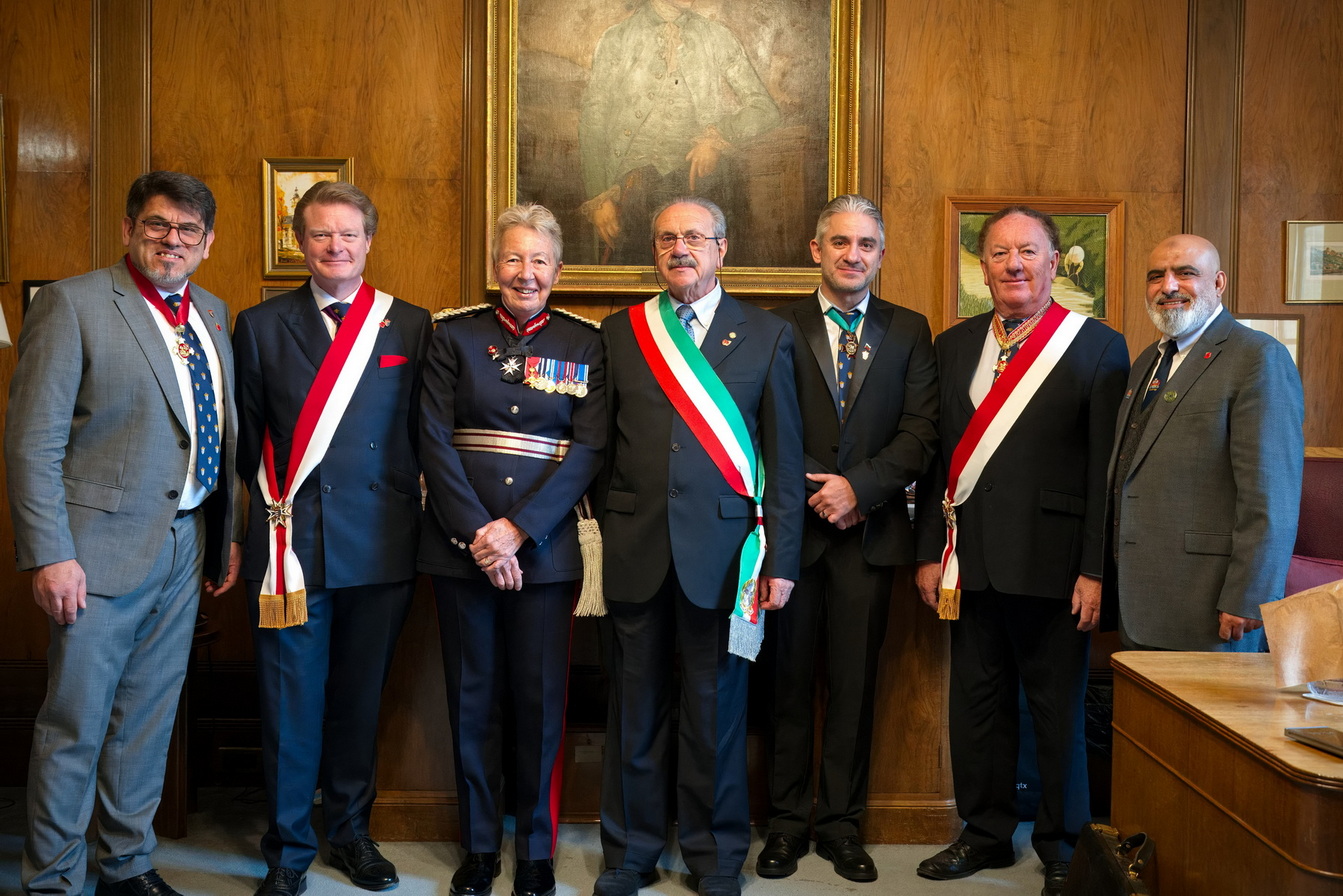
In the months that followed, the Cambridge commemoration resonated far beyond the city. The language of unity — “a bridge, connecting us across time, culture, and community” — became our lodestar as we shaped the project’s next steps with partners at home and abroad. That recognition affirmed our purpose: to build a memorial that is as inclusive and international as the history it honours.
The Freedom Fountain is, therefore, both promise and response — a promise to those we remembered in November 2024, and a response to the community that showed how remembrance, done well, can unite a city. Our work began there; its spirit still does